Connecting Regulatory Approvals to Strategic Bonus Allocation in Mobile Live Casino and Progressive Slot Offerings
Kirjoittanut Eden Hoffmann · 21.8.2026
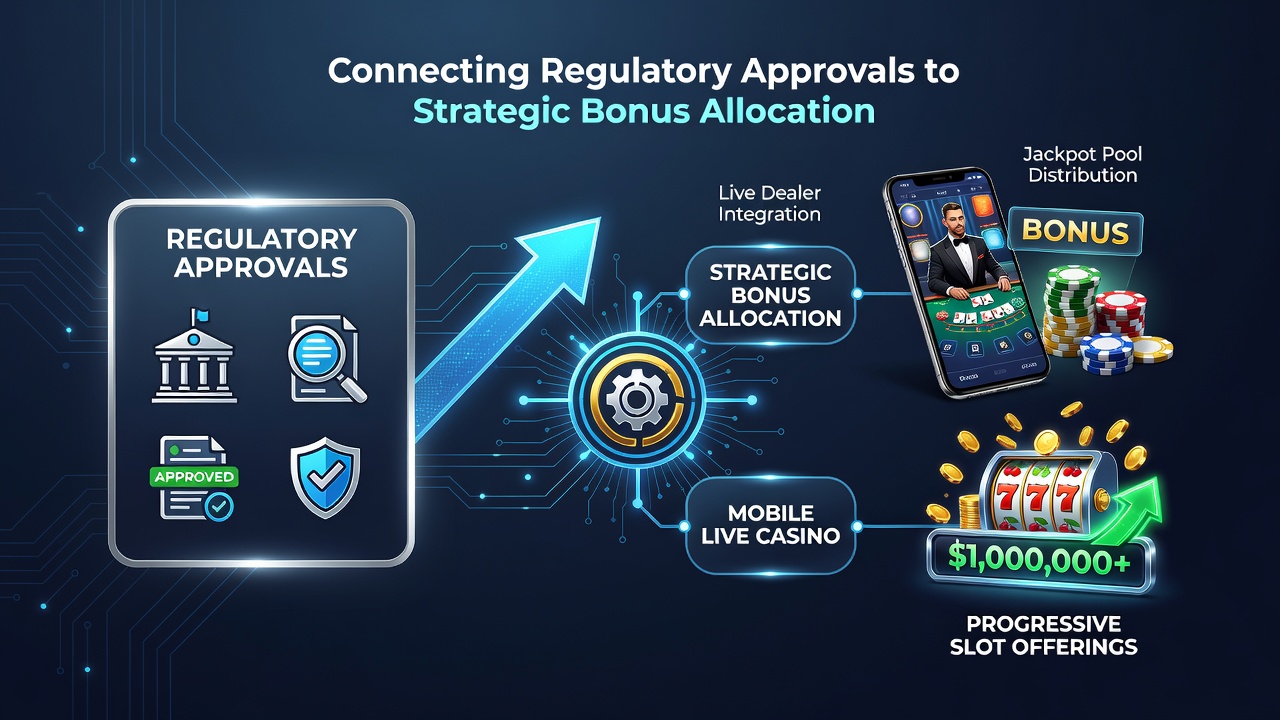
Connecting Regulatory Approvals to Strategic Bonus Allocation in Mobile Live Casino and Progressive Slot Offerings
Regulatory approvals shape how operators structure bonus programs across mobile live casino tables and progressive slot networks, creating direct pathways from compliance documentation to payout mechanics. Licensing bodies evaluate game integrity, financial reserves, and player protection measures before operators receive clearance to tie promotional credits to jackpot contributions. Those approvals determine whether a bonus can increment progressive pools in real time or remain isolated from shared prize structures.
Regulatory Pathways and Approval Timelines
Operators submit detailed technical reports, RNG certification results, and financial guarantee statements to secure permissions that govern bonus allocation rules. Data from the Nevada Gaming Control Board shows that progressive slot approvals require separate review of jackpot seeding amounts and contribution percentages, which directly influences how welcome bonuses or reload credits can participate in those pools. Mobile platforms add another layer because regulators examine device compatibility, encryption standards, and session management before allowing live dealer interactions to feed into bonus tracking systems.
Strategic Bonus Design in Progressive Environments
Once approvals are granted, operators map bonus values against expected jackpot contribution rates to maintain compliance margins. Research from the University of Nevada Gaming Research Center indicates that approved progressive configurations often cap bonus-driven contributions at specific percentages, ensuring the house edge remains within licensed parameters. This mapping process lets platforms allocate larger promotional amounts to non-progressive live casino games while restricting mobile progressive offers to smaller, compliance-safe increments.
Mobile Live Casino Integration Challenges
Live casino streams on portable devices introduce latency and connectivity variables that regulators monitor closely during the approval phase. Approved systems must demonstrate that bonus triggers remain accurate even when network conditions fluctuate, which affects how operators time promotional releases during peak mobile usage periods. In August 2026 several jurisdictions plan to implement updated mobile testing protocols that will require real-time logging of bonus-to-jackpot linkages, forcing operators to adjust allocation algorithms ahead of the deadline.
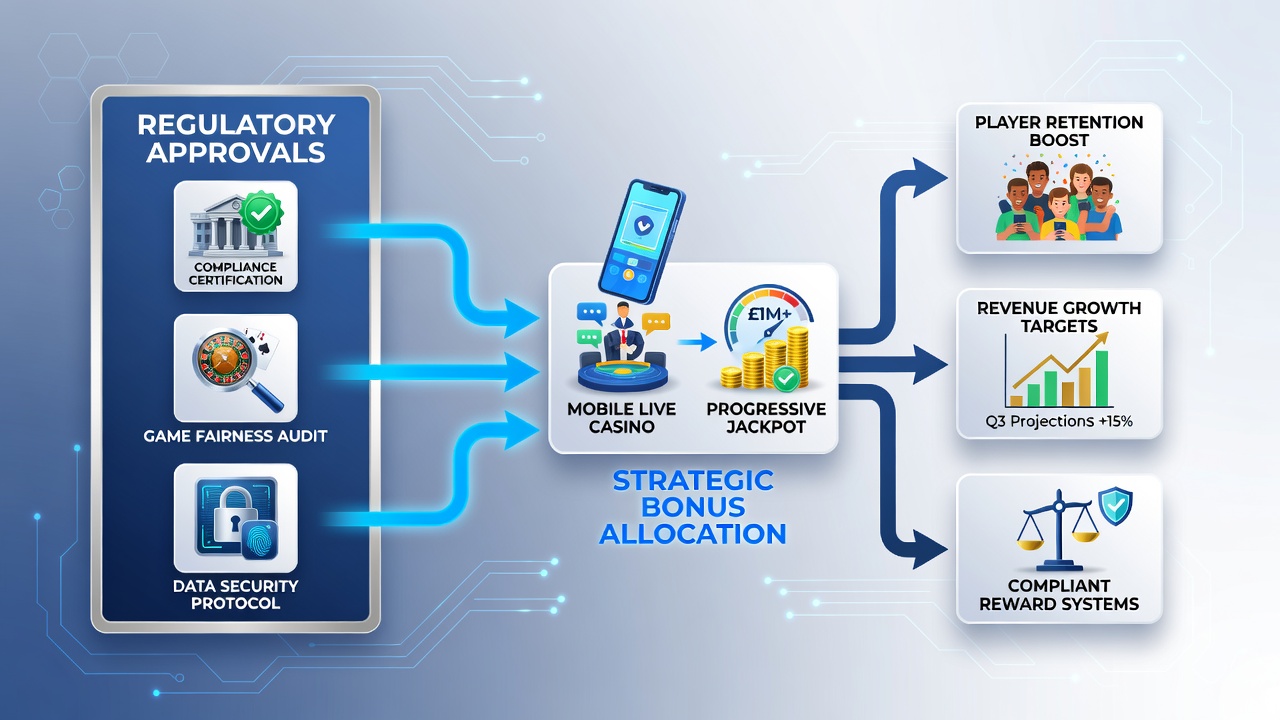
Operators therefore segment bonus campaigns by device type, offering mobile-exclusive credits that feed smaller side pots rather than main progressive meters. This segmentation maintains regulatory compliance while still delivering perceived value to players who prefer live tables on smartphones.
Allocation Models Across Jurisdictions
Different licensing regions apply distinct formulas when connecting approvals to bonus strategy. Australian state regulators require operators to publish the exact percentage of each bet that funds progressive jackpots, including portions derived from bonus play, which creates transparent allocation tables. European authorities, meanwhile, focus on responsible gambling thresholds that limit how quickly bonus funds can convert into jackpot entries. These regional differences lead operators to maintain multiple bonus rule sets within a single mobile app, switching configurations based on player location data gathered at login.
Compliance Monitoring and Adjustment Cycles
Continuous reporting obligations mean that any change in bonus allocation triggers a fresh review cycle. Gaming laboratories conduct periodic audits that compare actual jackpot contributions against approved models, and deviations can result in temporary suspension of promotional features. Operators therefore build automated monitoring dashboards that flag allocation drift before it reaches regulatory thresholds, preserving both license status and player access to progressive rewards.
Conclusion
The link between regulatory approvals and strategic bonus allocation remains central to mobile live casino and progressive slot operations. Approved frameworks dictate contribution rates, segmentation rules, and reporting requirements that shape every promotional decision. As new mobile testing standards approach in August 2026, operators continue refining allocation models to stay aligned with evolving compliance expectations across multiple jurisdictions.